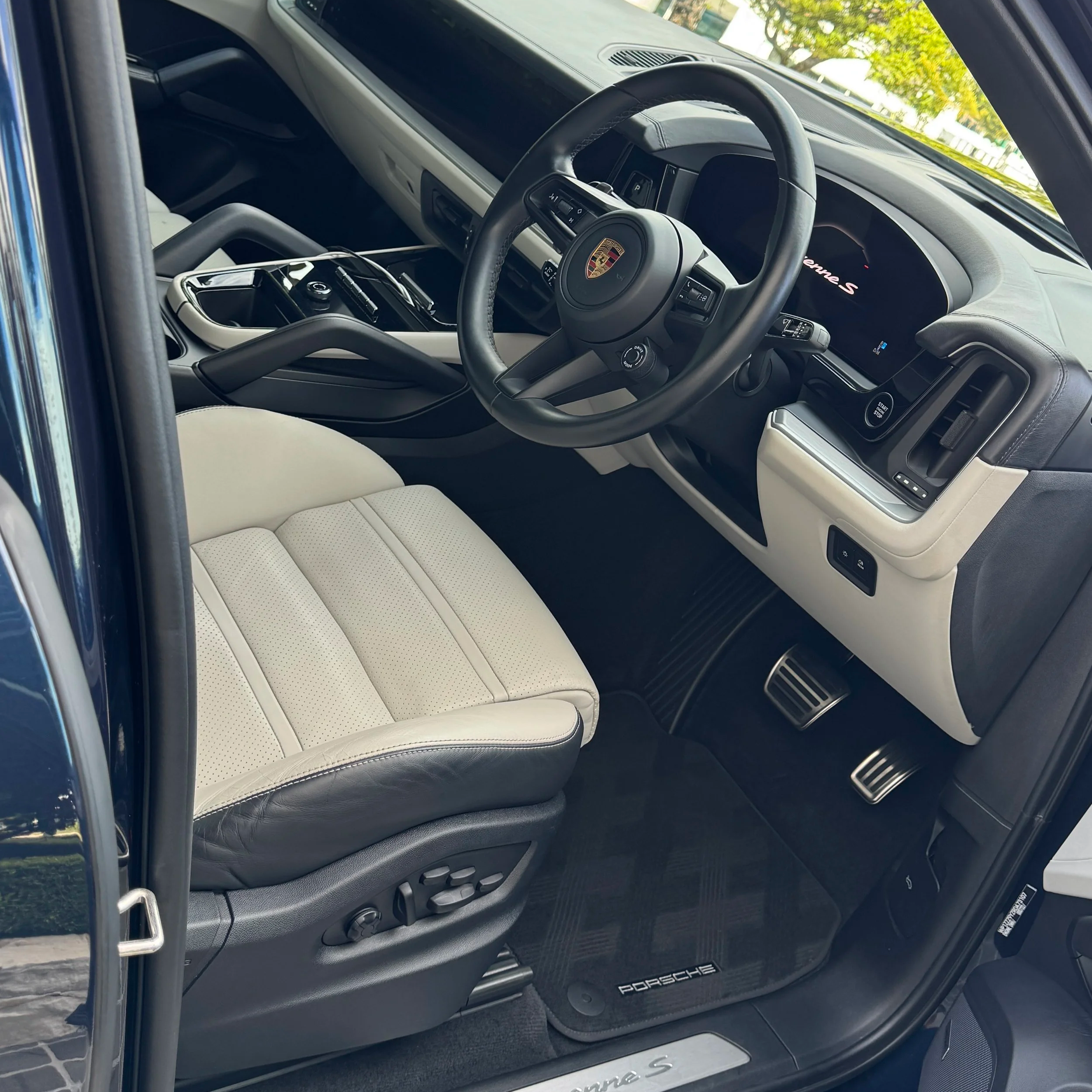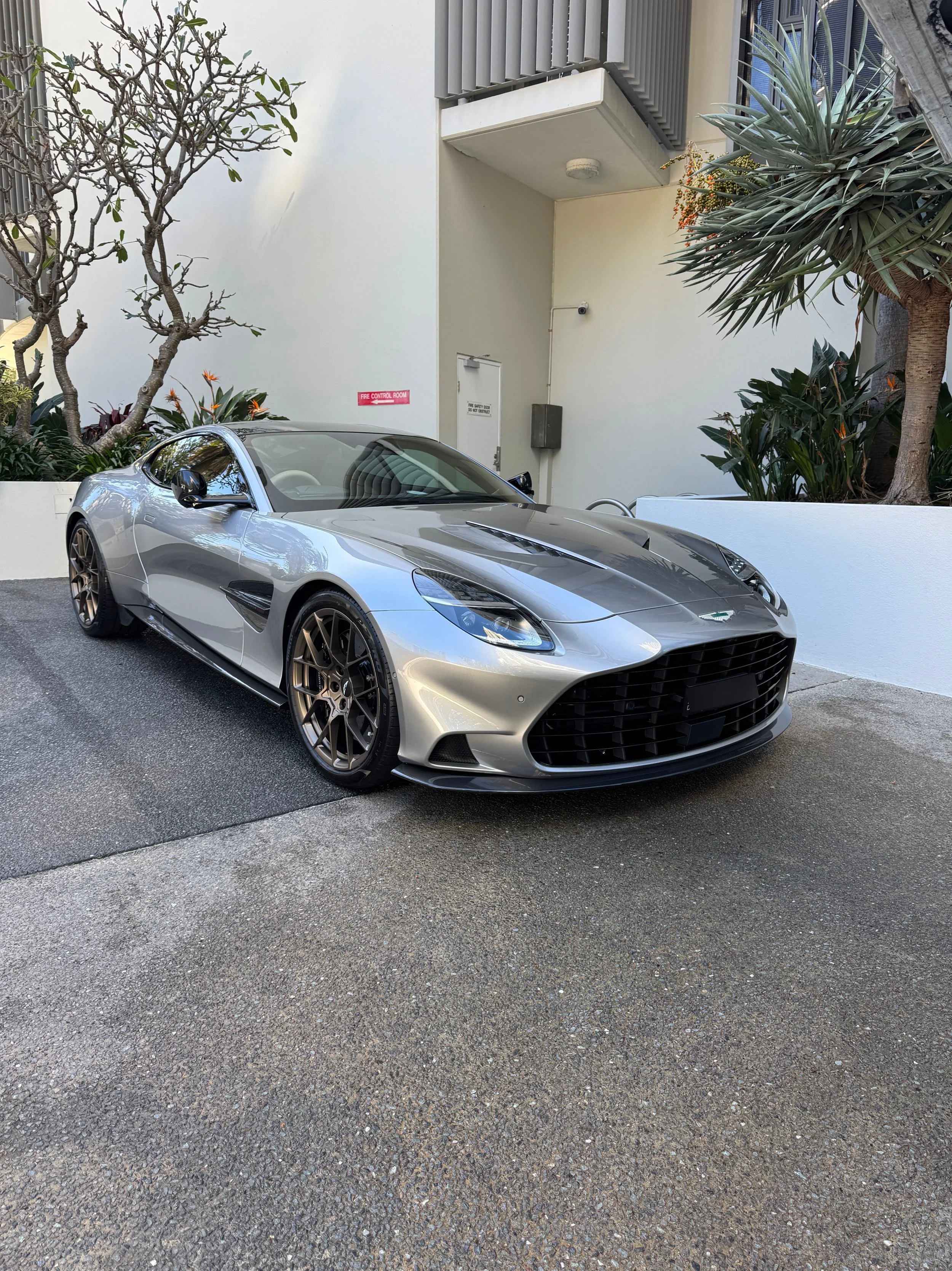
It's one of the most common questions we get asked: how often should I detail my car?
The honest answer depends on a few things — how you use it, where you park it, and what condition you want to maintain. But living on the Gold Coast adds a layer that most detailing guides don't account for: our environment is genuinely harder on vehicles than almost anywhere else in Australia.
Here's the breakdown.
Why the Gold Coast Is Harder on Cars Than You Think
Most car care advice is written for mild climates. The Gold Coast is not mild. Between October and April you're dealing with intense UV radiation, high humidity, and salt air — particularly within 10–15km of the coast. The combination doesn't just make your car dirty faster. It actively degrades your paint, oxidises your trim, and accelerates the breakdown of waxes and sealants.
Salt particles settle on your paint every day, even if you never drive near the beach. Acid rain from summer storms etches into unprotected clear coats. UV at this latitude will fade and oxidise paintwork faster than you'd expect, particularly on darker coloured vehicles.
This means the "detail it once a year" advice simply doesn't apply here.
The General Rule: Every Month
For most Gold Coast vehicles without ceramic coating, we recommend a full maintenance detail every month. This keeps contaminants from bonding to the paint, maintains the protective layer, and means you're never letting damage compound over time.
If you wait 12 months between details, you're not just dealing with a dirty car — you're dealing with embedded contamination, water spots etched into the clear coat, and oxidisation that requires correction work rather than maintenance.
What If You Have a Ceramic Coating?
If your car has a ceramic coating, the maintenance schedule changes significantly. A properly applied Gtechniq CSL or EXO coating repels water, resists contamination bonding, and makes the paint dramatically easier to clean.
With ceramic protection, a maintenance wash every 4–8 weeks is typically enough to keep the surface in top condition. You're not applying product each time — you're just removing surface contamination before it has a chance to etch or bond.
Our express maintenance detail is specifically designed for ceramic-coated vehicles — a faster, more frequent service that works with the coating rather than against it.
Detailing Frequency by Situation
The right schedule depends on how the car is used and stored. Here's how we'd break it down:
| Situation | Recommended Frequency |
|---|---|
| Daily driver, no coating | Detail every 3–4 months. Wash every 2–4 weeks. |
| Daily driver, ceramic coated | Maintenance wash every 2–4 weeks. Annual coating inspection. |
| Weekend / prestige car | Detail every 3–6 months depending on storage. |
| Pre-sale preparation | Always book before listing — recovers more than it costs. |
| Kids / dogs / heavy interior use | Interior detail at minimum every 6 months. |
The Cost of Waiting Too Long
The most expensive detail is the one that should have been a maintenance job.
When cars go too long without attention, maintenance detailing becomes correction detailing. Swirl marks and fine scratches accumulate. Water spots etch into the clear coat. Oxidisation sets in.
What waiting actually costs you: a $250 maintenance detail becomes a $550+ paint correction job — and in some cases the paint is beyond what correction can fully fix. The maths on regular maintenance almost always works in your favour.
What We Recommend
If you want a simple rule to follow: book a detail every time your car's registration is due — that's roughly every 6 months for most Gold Coasters. It's an easy mental anchor, and it means you're never more than half a year away from a fresh detail.
If you want to properly protect your investment, talk to us about ceramic coating and regular maintenance detailing — it fundamentally changes the maintenance equation and is the most cost-effective long-term protection available.